Know Your Truck Before You Load: RC, Insurance & Compliance
I argue why RC, insurance, permit and hypothecation checks belong in the gate process, and how I sit them next to live tracking.
By Niraj · Updated 2026-09-11
I've learned that a location trail can't fix a bad vehicle choice. If the truck has compliance issues, the goods inherit that risk the moment they load. In my work, smart teams verify identity and documents first, then track the trip.
What to verify in practice
RC details, insurance validity, permit relevance for the lane, and hypothecation status where it affects commercial risk. These checks matter most with unknown market trucks. Combine document confidence with live tracking and I cover both onboarding risk and in-transit uncertainty.
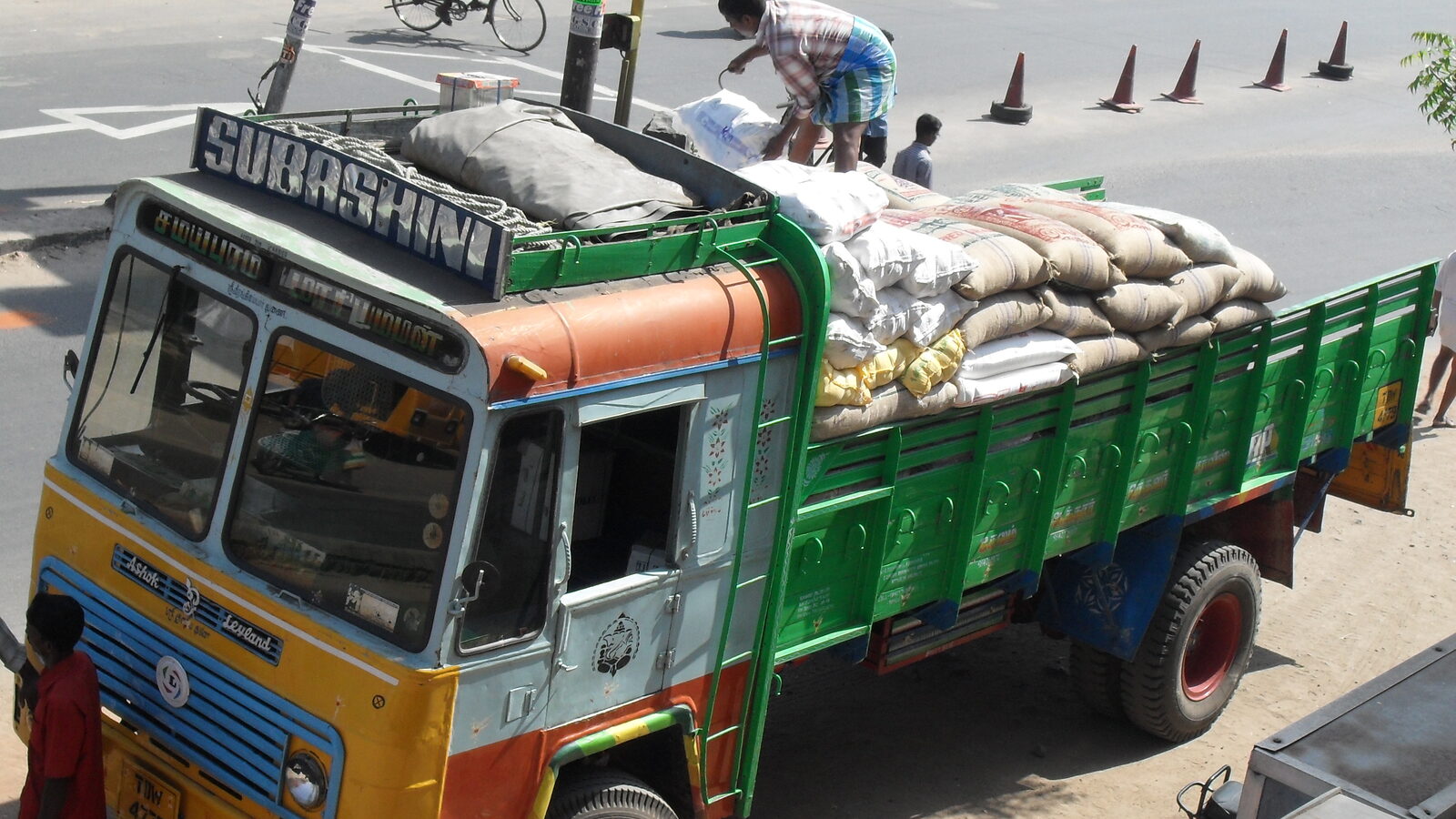
The goal isn't bureaucracy. The goal is fewer surprises on the highway.
Lorryman features that support this
Alongside tracking, Lorryman supports practical checks such as vehicle RC verification, hypothecation status, and permit & insurance context, so I know more about the truck before I load.
After the seal, the leverage is gone
I've lived this on the road. Gate-in is the last calm moment. Once goods are on the deck and the tarpaulin is tied, I have cargo in someone else’s care and a weak position if the RC, insurance, or permit was always going to be a problem 200 km later. Checks aren't bureaucracy. They're timing. I do them at indent or gate-in, not after a check-post call from a panicked driver.
RC is the legal identity of the vehicle. Insurance validity is whether a bad day becomes a catastrophe. Permit relevance is whether the lane I sold is a lane the truck can legally run. Hypothecation and other commercial flags affect who actually controls the asset in a dispute. I don't need to become a RTO clerk. I need a short list that a gate team can execute without a seminar.
Unknown market trucks need a higher bar
A dedicated contract fleet I have used for three years still deserves a glance. A first-time market placement deserves a process. The failure mode is the same: someone was in a hurry, the broker swore the papers were fine, and the highway disagreed. Hurry isn't a control. A checklist is.
Then track. A clean RC that disappears for fourteen hours is still a problem. Documents without movement are a filing cabinet. Movement without documents is a gamble. I find Lorryman useful when both sit in one operating motion: know the truck, then follow the truck.
What “good” looks like at the gate
Vehicle number captured. Basic RC/insurance/permit context reviewed. Exceptions flagged to a human, not ignored. Trip tracking started. Labour called only after assignment is real. That sequence takes minutes, not hours, if the tools are light. If the compliance step takes half a day, people will skip it. I design for the impatient gate, because that's the real gate.
E-way bill practice already forces a vehicle number at dispatch for taxable movement. you're not inventing a new identity. you're using the identity I already type, twice: once for tax, once for truth on the road. The second use is overdue.
Talking to transporters without a fight
I frame checks as protecting everyone’s cargo, including theirs. Serious owners already keep papers ready. The friction is the informal placement that hoped nobody would look. Looking is the point. The goal is fewer surprises on the highway, not a museum of PDFs.
Know, then load, then watch. Reverse that order and I'll write a claim file instead of a trip file.
Indent and gate-in are the only calm minutes
Once goods are on the deck and the tarpaulin is tied, I have cargo in someone else’s care and a weak position if the RC, insurance, or permit was always going to be a problem two hundred kilometres later. Checks aren't bureaucracy. They're timing. I do them at indent or gate-in, not after a check-post call from a panicked driver. Gate-in is the last calm moment. After the seal, the leverage is mostly gone. A location trail can't fix a bad vehicle choice. If the truck has compliance issues, the goods inherit that risk the moment I load. Smart teams verify identity and documents first, then track the trip. Reverse that order and I'll write a claim file instead of a trip file. Hurry isn't a control. A short list executed by a gate team without a seminar is a control. I design the list for the impatient gate, because that's the real gate.
Unknown market trucks need a higher bar than a dedicated contract fleet I have used for three years. Both deserve a glance. The first-time placement deserves a process. The failure mode is the same: someone was in a hurry, the broker swore the papers were fine, and the highway disagreed. Brokers who shout that I'm delaying the slot are selling speed against risk. Sometimes I should take a known truck fast. I shouldn't take a stranger fast without the short list. I write that distinction into the SOP so a Saturday guard isn't inventing policy. First-time versus known is an operating class, like hazardous versus general cargo. I treat it that way. The nagar will test I. If I fold every time a broker shouts, I don't have a gate. I have a suggestion box with a boom barrier.
RC, insurance, permit, hypothecation, the short list
RC is the legal identity of the vehicle. Insurance validity is whether a bad day becomes a catastrophe. Permit relevance is whether the lane I sold is a lane the truck can legally run. All-India versus state isn't a trivia question when the corridor crosses a border. Hypothecation and other commercial flags affect who actually controls the asset in a dispute. I don't need to become an RTO clerk. I need a short list a gate team can execute in minutes. If the compliance step takes half a day, people will skip it. Skipping is how I meet a check-post with the wrong permit and a load I can't easily take back. I keep tools light. Flag exceptions to a human. I don't build a museum of PDFs that nobody reads. The goal is fewer surprises on the highway, not a filing culture that loses the slot and then loads blindly anyway.
Insurance expiry mid-trip is a special nastiness: papers looked fine at gate-in and then didn't. I can't eliminate calendar risk entirely. I can refuse obvious expiry and I can know whom I loaded when a claim starts. Identity first. Then the file has a name. Permit problems show up as delay and extortion risk, not only as legal theory. A truck that can't run the lane will sit. Sitting is detention I bought at the gate by not looking. Looking is cheaper. Hypothecation matters when someone other than the person taking advance actually owns the fight. I may still load. I should know. Knowing is the difference between a commercial decision and a surprise. Surprises at 200 km are expensive. Surprises at the boom are merely awkward. Choose awkward. Awkward is the professional emotion at gate-in. Comfort at the boom is often a claim on the highway.
E-way bill already took the number; use it twice
E-way bill practice already forces a vehicle number at dispatch for taxable movement. you're not inventing a new identity. you're using the identity I already type, twice: once for tax, once for truth on the road. The second use is overdue. If the number on the e-way bill and the number on the trip differ, stop. That mismatch is how cargo moves onto a chassis I'm not watching while GSTN thinks something else. Copy once. When the vehicle changes after a breakdown, change both together. Two clerical islands are how ghosts are born. One identity used for tax and for tracking is how a plant stays sane. I don't tell the tax team this is “their” number and logistics another. It's the truck. The truck has one registration. I honour it in both systems in the same minute, or I'll honour it in a claim file later.
Then track. A clean RC that disappears for fourteen hours is still a problem. Documents without movement are a filing cabinet. Movement without documents is a gamble. I find Lorryman useful when both sit in one operating motion: know the truck, then follow the truck. Vehicle RC context, hypothecation flags, permit and insurance context belong next to the trip, not in a shared drive nobody opens after lunch. The gate should see exceptions before the tarpaulin. The desk should see stalls after gate-out. That's one story in two times. Teams that only check papers become clerks. Teams that only track become watchers of trucks they should never have loaded. Serious operators try to avoid both failures. The checklist plus the trip is how. Neither alone is a control. Together they're the minimum adult process for a market lorry at an Indian plant.
Talking to transporters without turning the gate into a fight
I frame checks as protecting everyone’s cargo, including theirs. Serious owners already keep papers ready. The friction is the informal placement that hoped nobody would look. Looking is the point. I tell the broker at indent, not at the boom, that first-time vehicles need the short list. Surprise checks at the boom create shouting. Announced checks at indent create compliance. I can still catch a swapped vehicle at the gate, that's what gate-in is for, but the culture shouldn't be ambush. Ambush makes nagars treat I as an enemy and send me worse trucks. Fair process makes serious owners prefer the plants. Preference is a safety control. The worst trucks go to the shippers who never look. I don't be that shipper. Look, then load, then watch. Reverse that order and I'll pay on the highway with time I can't buy back.
Drivers should hear a short version: we'll take the number, glance the papers, start the trip, and call I less for location. That's a sequence, not a lecture. Most crews prefer it to a two-hour argument about a box. you're not installing GPS to know the truck. you're reading the RC I should have read anyway, then following that RC. If an owner refuses even the glance, I have learned something cheaply, at the boom, instead of expensively, at a check-post. I send that owner away. The slot I lose is cheaper than the claim I would have bought. Gate teams need permission to send away. If only a plant head can refuse a truck, the gate will load everything at 7 p.m. I give the gate a refusal rule for missing RC, dead insurance, or a permit that can't run the lane. Then the short list has teeth. Lists without teeth are posters.
Labour should wait on assignment, not the other way around
Calling a labour gang before the vehicle is real is how I buy idle hours. Assignment is real when the plate is on the trip and the short list has passed. Then call labour. Plants that call labour when a broker says “truck is coming” are staffing from folklore. Folklore is the cousin of the missed call. I put labour after gate-in checks, or after a trusted trip shows the vehicle is actually approaching with the right RC. That sounds slower. It's cheaper than a gang waiting on a ghost. Ghosts are common: the truck that was coming is a different truck, or still in a nagar, or swapped. Checks plus tracking make ghosts visible before they eat overtime. Overtime is the bill I pay for reversing the sequence. Reverse it back. Know, then load, then watch, then staff. The order is the control. Tools only make the order possible at an impatient gate.
After loading, don't treat documents as finished work. The trip still has to move. A perfect paper file on a truck standing for fourteen hours is still a failure. Combine the two watches: identity was right; movement is happening. If movement dies, escalate with a timestamp and the same identity I checked. Claims and detention fights go better when those two facts sit together. I loaded this RC, with this insurance and permit context, and it sat from this hour. That's a professional file. “Broker said papers were fine and driver said he was close” isn't a file. It's how Indian shippers lose arguments they should win. Win the argument by doing the dull work at the boom and the dull work on the corridor. Dull work is the craft. Drama is what I get when I skip it.
What “good” looks like in minutes, not hours
Vehicle number captured. Basic RC, insurance, and permit context reviewed. Exceptions flagged to a human, not ignored. Trip tracking started. Labour called only after assignment is real. That sequence takes minutes if the tools are light and the list is short. If it takes hours, I'll skip it on the day I most need it, peak, shutdown, a line already starving. I design for peak. Peak is when strangers arrive. Strangers are when checks matter. Dedicated fleets can get a lighter glance. First-time market placements get the full short list. I write the two speeds so coordinators aren't inventing them under pressure. Then the gate is a process, not a mood. Moods load the wrong truck. Processes load a named truck and follow it. Named and followed is the whole article. Everything else is commentary on why Indian highways punish the unnamed and the unwatched.
Know, then load, then watch. I say it at indent, at the boom, and in the Monday review when a claim appears. If the claim is a paper failure, fix the short list. If it's a fourteen-hour stall, fix the watch. If it's both, I reversed the order or I skipped a step. I don't buy more software to compensate for a skip. Reinstall the order. The e-way bill number, the RC at gate-in, and the trip on the corridor are the same object used three times. I use it three times. That's how I check a truck before I load and still know where it's after I loaded. One identity. Two moments of calm. A highway that won't give me a third calm moment if I wasted the first two. Spend the calm minutes. They're the only ones I'm going to get.