Tracking Market Trucks from the Mandi to the Buyer
I show how agricultural and trading dispatches on unknown lorries can still be watched, without GPS on a truck I met this morning.
By Vishal · Updated 2026-09-12
I've stood in mandi mornings that don't look like a corporate dispatch bay. The truck that will carry the lot may be decided after the deal. The owner may be a person I've used twice. The driver may be new. There's no telematics contract, no installer, and no patience. There's a lot of money on a deck and a buyer who will call when the market moves. If the only tracking plan is a GPS box, I don't have a plan. I have a wish.
The vehicle number is the only stable object
I already write it for the e-way bill when the movement is taxable. I write it for the trip at the same moment. I start tracking before the truck clears the yard, not after the first panic call from the buyer. Market freight fails when identity lives in a torn notebook and location lives in a driver’s mood. I put both in one motion.
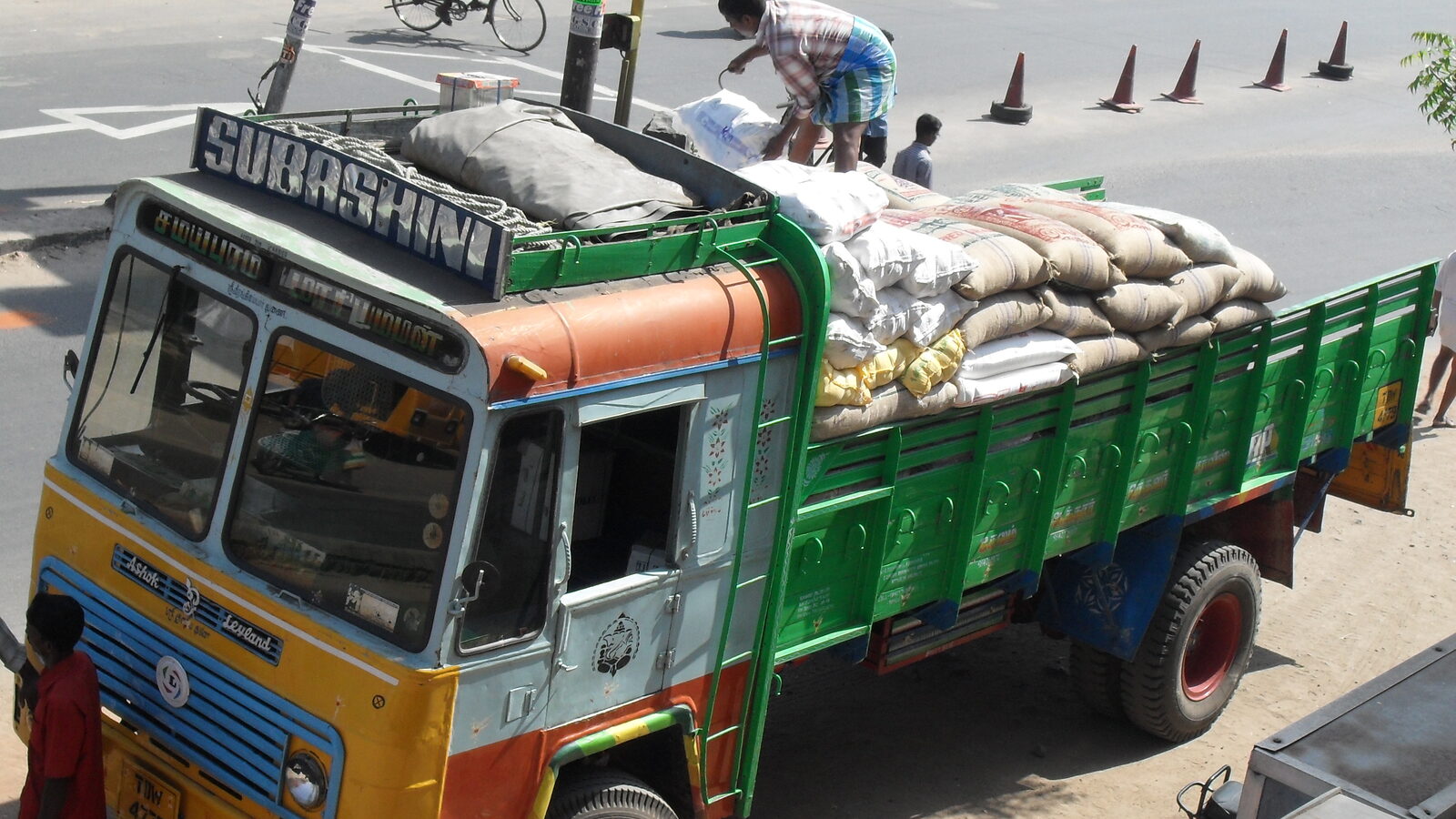
What buyers actually want
They want to know whether to hold labour, whether to sell onward, whether to shout. A calm update from a trip beats a theatrical “almost reached.” Almost is how trading reputations die. If you're the seller, visibility is part of the product. If you're the buyer, demand it the way you demand weight and quality. Fog isn't a market convention I must accept. It's a habit.
Owners in transport nagars won't stop for a two-hour fitment between loads. I don't ask. I ask for the RC I'm already putting on paper. I follow that. I call the driver when the gate is closed or the lot needs a decision, not for a pin drop every hour while he is in traffic leaving the mandi.
A desk rhythm that fits a trading day
Morning: all assigned RCs on a board. Midday: only stalls and direction surprises. Evening: which lots will miss tomorrow’s buyer window. That's enough. I don't need a control-tower religion. I need fewer surprises on the lots that pay the rent. We've built Lorryman for that ugliness: a truck I met today, a number I already typed, a picture I can share without waiting for someone to pick up.
Quality, weight, and location are one promise
Traders already fight on moisture, bags, and shortage. Adding “we don't know where it's” is a fourth fight I can delete. When a buyer can see that the truck is moving, they argue about the cargo, not about the honesty. That's a better argument. It's also how I keep accounts through a bad price day. Relationship isn't the opposite of a trip board. A trip board is how the relationship survives a late lot.
If the mandi still treats tracking as something factories do, I'm leaving money on the road. Spot trucks aren't the reason to stay blind. They're the reason to start from a vehicle number instead of a device. The market already taught I that the truck will change. The system should change with it, in the time it takes to type an RC.
A mandi truck isn't “untrackable.” It's un-instrumented. Those are different problems.
The deal closes before the truck exists
I've sat with desks that live this. A mandi morning doesn't look like a corporate dispatch bay. The truck that will carry the lot may be decided after the deal. The owner may be a person I have used twice. The driver may be new. There's no telematics contract, no installer, and no patience. There's a lot of money on a deck and a buyer who will call when the market moves. If the only tracking plan is a GPS box, I don't have a plan. I have a wish. Street loading is normal. Invisible loading is optional. The vehicle number is the only stable object in that chaos. I already write it for the e-way bill when the movement is taxable. I write it for the trip at the same moment. I start tracking before the truck clears the yard, not after the first panic call from the buyer. Market freight fails when identity lives in a torn notebook and location lives in a driver’s mood. I put both in one motion before the tarpaulin is tied.
Owners in transport nagars won't stop for a two-hour fitment between loads. I don't ask. I ask for the RC I'm already putting on paper. I follow that. I call the driver when the gate is closed or the lot needs a decision, not for a pin drop every hour while he is in traffic leaving the mandi. A mandi truck isn't untrackable. It's un-instrumented. Those are different problems. Un-instrumented is the default in spot agricultural and trading freight. I treat default as the design constraint. Number-first is the only model that can start in the minutes after a deal, which is the only onboarding window I'll get. If a tool needs a transporter onboarding week, it will miss the lot. Missed lots are the P&L. I don't buy a plant religion for a mandi morning. I buy a motion a coordinator can finish while the bags are still going on.
RC as the only object that survives the morning
Notebooks tear. WhatsApp photographs get buried. Driver mobiles change at a halt. The registration mark is what check-posts, e-way bills, and buyers’ security guards will still recognise at the other end. I make it the name of the trip. If the owner swaps the vehicle after loading, and they will, after a puncture or a fight about advance, update the RC immediately and tell the buyer the identity changed. I don't hunt last hour’s pin on a chassis that no longer has the bags. Identity drift is normal in market freight. The system should change in the time it takes to type a number. If it can't, I'll spend the afternoon reconstructing a lot from a torn page. Reconstruction isn't trading. It's archaeology while the price moves. I price movement plus blindness is how reputations die in a mandi. Reputations are working capital. I protect them with a name that can be updated.
First-time placements from a nagar deserve the same short glance I would give any stranger: RC, a sense that insurance and permit aren't obviously dead, then the trip. you're not turning a mandi into an RTO. you're refusing to load a ghost. Ghosts are expensive when the buyer’s labour is already standing. Known owners can move faster. Strangers shouldn't get a free skip because the auction was loud. Loud isn't a control. The number on the trip is a control. We've built Lorryman for that ugliness: a truck I met today, a number I already typed, a picture I can share without waiting for someone to pick up. If I'm still waiting for someone to pick up, I'm running the old mandi religion. The old religion costs buyer labour and the next deal. The new religion is dull: type, watch, tell the truth. Dull is how lots arrive as promised.
Buyer labour, onward sale, and the evening window
Buyers want to know whether to hold labour, whether to sell onward, whether to shout. A calm update from a trip beats a theatrical almost reached. Almost is how trading reputations die. If you're the seller, visibility is part of the product. If you're the buyer, demand it the way you demand weight and quality. Fog isn't a market convention I must accept. It's a habit. Onward sale makes location part of price. A lot that will miss the evening window is a different lot, commercially, than a lot that's still moving on the corridor. If I can't tell those apart, I'm quoting as if physics were optional. Physics isn't optional. Check-posts, night halts, and a standing truck are physics. I see them in time to change the sale or the labour. That's the service. Theatre isn't the service. Theatre is how everyone stays friends until the debit note.
I don't spam the buyer with every dhaba halt. Spam trains them to ignore I, which is how I end up shouting at 9 p.m. anyway. I send stalls that threaten their window, RC changes, and a calm evening sentence about what will miss tomorrow. That cadence matches a trading day. It doesn't match a factory control tower, and it shouldn't. Factories have shifts. Mandis have price and labour at the other end. Translate. The trip is the source; the sentence is the service. Quality, weight, and location are one promise. Traders already fight on moisture, bags, and shortage. Adding we don't know where it's is a fourth fight I can delete. When a buyer can see that the truck is moving, they argue about the cargo, not about the honesty. That's a better argument. It's also how I keep accounts through a bad price day.
Morning board, midday stalls, evening miss-risk
Morning: all assigned RCs on a board. Midday: only stalls and direction surprises. Evening: which lots will miss tomorrow’s buyer window. That's enough. I don't need a control-tower religion. I need fewer surprises on the lots that pay the rent. A desk that tries to watch every minute like a cab app will quit by Wednesday and return to WhatsApp. WhatsApp is a pile. The rhythm is a filter. Filters are how a small desk survives a loud market. If I have a partner at the other end, share the evening miss-risk with them before they hire labour. That single courtesy is worth more than ten almost-reached calls. Courtesy is commercial. It's how I get forgiven on a genuine check-post dwell. I'll not get forgiven for silence plus a story. Silence plus a story is the old product. I retire it. The board is the new product. The bags were always the goods. Location was the missing part of the promise.
If the mandi still treats tracking as something factories do, I'm leaving money on the road. Spot trucks aren't the reason to stay blind. They're the reason to start from a vehicle number instead of a device. The market already taught I that the truck will change. The system should change with it. Factories learned visibility as a project. Traders have to learn it as a reflex at dispatch, because there's no project office. Reflex: number on the trip before the truck leaves the yard, board open when the buyer calls, driver called for gate and labour only. If that reflex holds when the auction is loud, I have tracking for market trucks. If it only holds on a quiet afternoon, I don't. Loud mornings are the job. I build the reflex there. Then pay-as-I-use is attached to the mornings that make the week, which is the only attachment that makes sense in a mandi.
Quality, weight, and location as one promise
A buyer who trusts the weight but not the arrival will still hedge I. Hedging looks like a smaller next order, a second supplier, a louder voice. Location trust reduces the hedge. I can't talk the way into it. I have to show the trip a few times when the news is bad, stalled, late, RC changed, as well as when it's good. Bad news from a board is a professional product. Bad news from a missed call is an amateur product. I send the professional one. Over a season, I'll keep accounts through weather and price because I was the seller who didn't go missing in the dwell. Going missing is optional now. It wasn't, when the only tool was a driver who was unloading someone else’s lot with the phone in the cabin. Tools changed. Habits haven't, in too many yards. Change the habit. I keep the bags honest. Add the third honesty: where it's.
Relationship isn't the opposite of a trip board. A trip board is how the relationship survives a late lot. People who say tracking will ruin trust in a mandi are usually people who needed fog. Fog protects the late seller and punishes the buyer’s labour. If that's the business model, say so. If it's not, stop running fog as a courtesy to owners who won't give a number. A number isn't hostility. It's the same number on the e-way bill. Following it's not surveillance of a small owner. It's protection of a lot that belongs to me until the buyer takes it. Protection is the trader’s job. Blindness isn't protection. It's hope. Hope plus diesel plus a torn notebook is the old stack. RC plus trip plus a calm sentence is the new stack. The bags didn't change. The honesty around their movement can.
What the nagar understands, and what it will dodge
A nagar understands advance, a loading slot, a check-post, and a phone call about a gate. It will dodge a workshop between loads, a SIM on the dash, and a lecture about control towers. I speak the first language. I don't import the second. I tell the owner: we'll follow the RC, call the driver less for location, still call for the gate. Serious owners prefer that. Owners who need fog will still disappear. Let them disappear from the volume. Volume is the only lecture a nagar believes. If I keep giving volume to fog, I'm the lesson in reverse. I teach forward. The market won't become a depot. I don't need it to. I need a registration and a watch that can start after a deal. That's a smaller ask than transforming Indian agricultural logistics. Smaller asks get done on a Tuesday. Transformations get discussed in conferences while the lot leaves the yard unseen.
I end the day with the evening miss-risk list, even if I'm tired. Tired desks skip the list and then live the surprise at dawn, when the buyer’s labour is already walking in. Dawn surprises are the most expensive kind because they combine location failure with a human who can't be un-called. Un-calling labour isn't a feature. Not calling them until the trip said so is the feature. Feature, in a mandi, is a rhythm, not a button. I hold the rhythm for a fortnight on the lots that pay the rent. I count buyer calls. I count unloading surprises. If both fall, I have the product. If they don't, I'm not looking at the board, or I never put the RC on the trip in the noisy morning. Noisy mornings are when the RC is most likely to live only in a photograph. I lift it out of the photograph. I give the lot a name. I watch the name until the buyer has the bags. That's tracking market trucks from the mandi to the buyer. Everything else is a factory story I don't need.
A fortnight that convinces a partner who still says almost
I pick the lots that hurt, perishable, tight windows, a buyer who already shouted last week. I track them. I send only stall, RC change, and evening miss-risk. I ask the partner after fourteen days whether they still want almost. Most will admit they wanted labour decisions. I give them labour decisions. If they still want a driver’s pin, explain identity once, then hold the trip. I can't run two religions. Two religions is how the photograph wins again. The photograph isn't a trip. It's a moment. Moments die in a chat scroll. Trips can be opened at 9 p.m. when the market has moved. I open the trip. I close the day. Repeat until almost sounds unprofessional in my own mouth. When it does, I have changed a mandi desk without a programme office. That's the only change that fits this freight. Programme offices are for plants. I have a yard, a nagar, and a buyer. I see the truck that connects them. The rest is noise from a different industry, and noise doesn't unload bags.