How to Track a Truck in India Without Installing GPS
How to track a truck or find my lorry in India without GPS: FASTag / toll-based tracking from the vehicle number, no device install, no driver app dependency.
By Sridhanwanth · Updated 2026-09-20
I've watched this across India for years: most of the trucks on a shipper's trips aren't theirs. They belong to a transporter, a broker’s network, or a market owner who will never let anyone drill a GPS unit into the dashboard. Yet if you're the consignor, the load is still yours. The working capital is yours. The customer promise is yours.
That gap, between who owns the truck and who owns the risk, is why I stopped leading with “install GPS first, then track.” I'll explain how tracking without GPS hardware actually works, when I find it's the right tool, and what the official numbers say about Indian road freight.
- 66% — of India’s freight tonne-km still moves by road (NITI Aayog, 2026)
- ₹24.01 lakh cr — India’s logistics cost in 2023-24 (DPIIT / NCAER)
- 7.97% — logistics cost as a share of GDP (official) (DPIIT / NCAER 2023-24)
Why GPS-first tracking breaks on market trucks
Traditional GPS tracking assumes a stable vehicle identity: I own the asset, I wire a device, I pay a SIM rental, and the same truck returns to the yard. Captive fleets can run that model. Indian road freight largely can't.
NITI Aayog’s transport scenarios put road’s share of freight at about 66% of tonne-kilometres, versus 22% rail and 8% waterways. A large slice of that road freight is hired capacity, trip-by-trip lorries, not company-owned fleets. Asking every hired truck to accept the hardware is asking for delay, refusal, or a swapped vehicle the next morning.
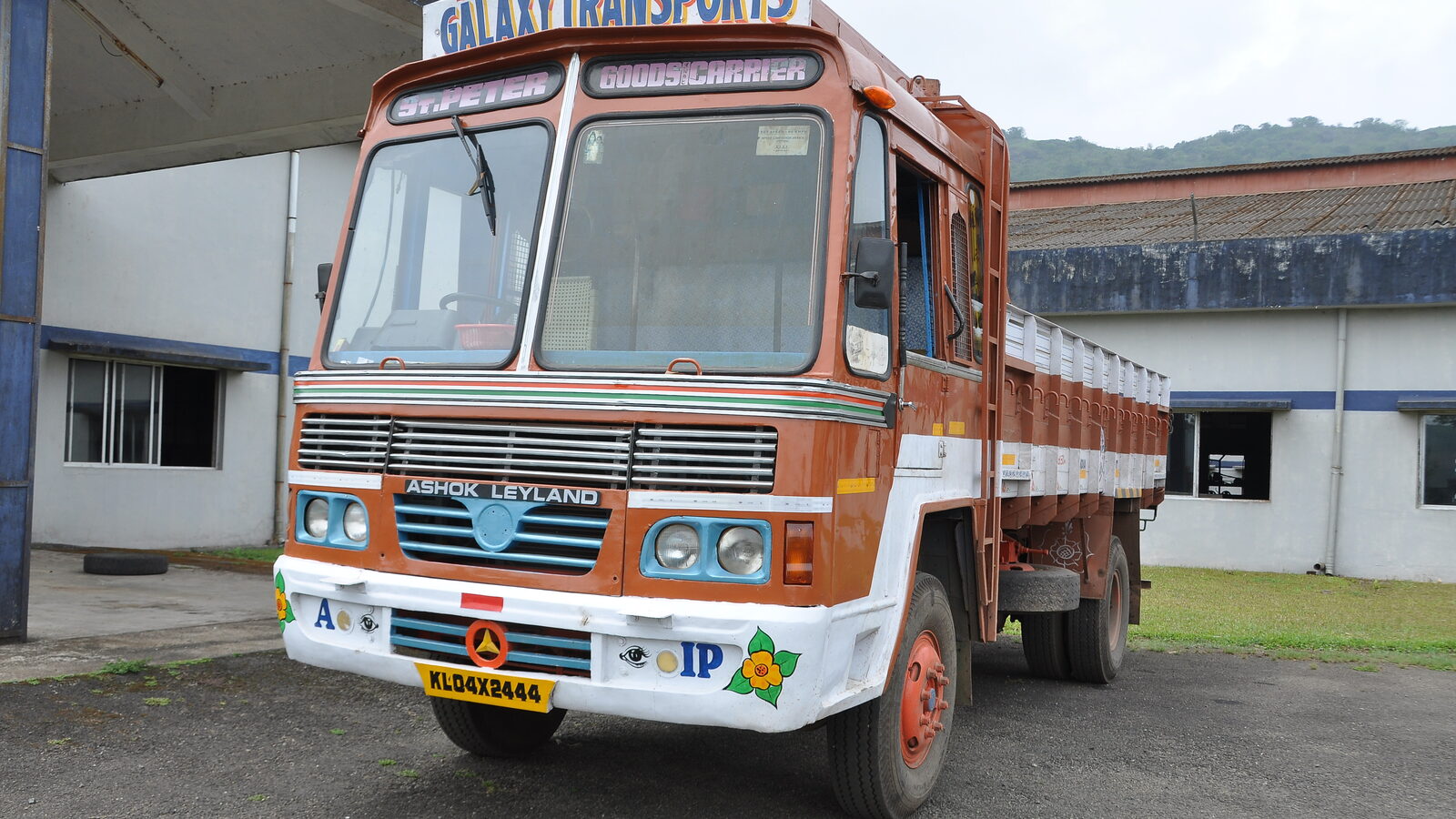
What tracking without GPS actually means
No-GPS tracking doesn't mean guessing a pin on a map. It means tool-based tracking from a vehicle number, the same RC identity used for e-way bills, FASTag-based tracking on toll corridors, permits, and police checks, and following that identity through networks that already exist around Indian roads. In plain search language: check truck location by vehicle number, toll-based tracking from recent toll plaza crossings, and freight visibility without installing a GPS device.
MoRTH has separately mandated AIS-140 vehicle location tracking devices for specified commercial categories (including certain national-permit and dangerous-goods N2/N3 vehicles). That mandate is about public-safety telematics on eligible vehicles. It doesn't give a shipper a dashboard for every market truck carrying FMCG, steel, or textiles tomorrow morning.
If setup needs a technician at the transporter’s yard, I'll miss the loads that matter most, the urgent ones.
City delivery tracking vs find-my-lorry on hired trucks
When people search “mini truck GPS” or “tempo tracking,” they often mean a short city trip where a booked Ace or tempo already shows a map pin inside that booking flow. That solves local pickup and drop. It does not solve “find my lorry” on a hired intercity truck you only know by RC number, when the owner will never let you fit hardware.
Many freight tools also assume GPS on the truck, a transporter app, or a heavy plant integration. For shippers, brokers, traders, and manufacturers who load market vehicles every morning, the matching search intent is different: track truck without GPS, FASTag / toll-based tracking, no-device vehicle tracking, and location updates without calling the driver. Lorryman is built for that problem, visibility on the truck already carrying the load.
The cost of not knowing where the load is
DPIIT’s official logistics-cost study (with NCAER) estimates India’s logistics bill at ₹24.01 lakh crore in 2023-24, or 7.97% of GDP. Older commentary often quoted 13-14%; the official series is now lower, but the operational waste inside that number is still huge: idling, empty returns, detention, and information delay.
How India’s freight actually moves (tonne-km share)
Source: NITI Aayog, Sectoral Insights: Transport
- Road: 66 %
- Rail: 22 %
- Waterways: 8 %
- Pipelines / other: 4 %
When a plant doesn't know whether inbound material is two hours away or twelve, it overstaffs docks, holds production, or pays demurrage. Location isn't a “nice dashboard.” It's an input to labour, inventory, and customer trust.
When no-GPS tracking is the better fit
I use no-device tracking when the truck is hired, the vehicle may change mid-trip, the transporter won't accept the GPS, or dispatch is same-day. I use onboard GPS when I own the fleet, need engine diagnostics, and can enforce device policy.
Many serious shippers eventually run both. The mistake is forcing hardware onto every third-party load when the business question is simply: where is my goods right now?
How Lorryman approaches truck tracking
We've built Lorryman for the Indian pattern: enter a vehicle number, start FASTag-based and tool-based tracking, and get location visibility without GPS hardware on that truck, without a SIM I manage, and without waiting for the driver to open an app. That's the difference between chasing phones and monitoring loads, and the practical answer when someone asks how to find my truck or check lorry location without GPS in India.
The truck you need to see is rarely the truck you own
I've seen this pattern up close. Indian freight is a hired-capacity business. A manufacturer in Coimbatore, a trader in Indore, a plant in Pantnagar, and a warehouse in Bhiwandi all depend on trucks they don't operate. The RC belongs to someone else. The driver reports to someone else. The GPS box, if it exists at all, reports to a telematics vendor the consignor never signed. That's why “install GPS and we'll know” is a sentence that dies at the first market truck. Visibility has to attach to the load and the vehicle number of the trip, not to a hardware project on a fleet I don't control.
Once I accept that pattern, the operating question changes. It's no longer “how do we instrument every possible truck in India?” It becomes “how do we start seeing this vehicle as soon as it's assigned to our indent?” The first question takes quarters and politics. The second question takes a workflow I can run before the truck leaves the gate. We've built Lorryman for the second question, because that's the one shippers actually live with on a Tuesday afternoon when a broker sends a new RC.
What no-device tracking is, and what it's not
No-device tracking isn't a claim that physics has changed. A GNSS chip in the dashboard can still ping more frequently than a trip-level system. The point is coverage and consent. On owned fleets, fit a device. On hired lorries, I need a method that doesn't require the owner to stop, wire, and pay for a box they will never use after the cargo unloads. Vehicle-number tracking uses identity that already exists in Indian logistics, RC, e-way bill, check-post practice, corridor movement, so I can follow a trip without a new gadget.
Teams get disappointed when they expect a consumer-maps animation on a market truck they met this morning. Set the bar correctly: I want trustworthy movement and stall signals often enough to plan docks, answer a buyer, and escalate a true exception. I don't need a ping every two seconds to know that a truck has been standing outside Jaipur since 2 a.m. I need a shared picture that doesn't depend on the driver unlocking WhatsApp.
A practical playbook for the first 14 days
Day one: pick ten live trips that hurt when they go silent, high-value, time-critical, or chronically delayed lanes. Day two: make vehicle number a mandatory field at indent, not a note in a WhatsApp chat. Day three: put those trips on a tracking view that logistics, sales, and the plant can open without calling a coordinator. Day seven: review which delays were real stalls versus driver-unavailable noise. Day fourteen: drop location-call volume on those lanes and keep calls for breakdowns and delivery instructions only.
If I skip the playbook and “roll out tracking” as a slogan, coordinators will keep dual systems: the dashboard they don't trust and the phone tree they do. Trust is built when the first missed-call morning still shows the truck on the corridor. That's the moment a control tower becomes real. Until then, software is just another tab.
Why official logistics numbers make this urgent
NITI Aayog’s transport work still shows road carrying the majority of freight tonne-kilometres. DPIIT and NCAER’s logistics-cost series put the national bill in the same league as a major industry, even after older 13-14% of GDP quotes were revised downward. Policy (National Logistics Policy, Gati Shakti) is trying to make movement cheaper and more predictable. None of that helps a consignor if the only live data they have is a driver who didn't pick up. National programmes improve corridors. Trip visibility improves the consignment. I need both.
AIS-140 and related rules matter for specified vehicle classes and public-safety use cases. They don't automatically open a shipper dashboard on every hired N3 that showed up at the gate. Confusing a government device mandate with consignor visibility is how projects stall for months. I track the trip I own commercially. I comply with device rules where the law requires the vehicle owner to fit hardware. Those are parallel tracks, not substitutes.
What to tell finance and the transporter
Finance will ask why tracking isn't “already included in freight.” Because freight buys movement, not a shared operational picture. Detention, overtime, emergency air/rail switches, and cancelled labour at the dock are the costs of not knowing. A per-trip visibility fee is usually smaller than one delayed unloading crew. I put that comparison on one slide. Transporters will ask whether I'm policing them. I answer honestly: I'm protecting the load and the customer promise. Good transporters look better when delays are visible and false ETAs disappear.
The companies that win this shift treat tracking as a default on assigned vehicles, the way e-way bills became a default on taxable movement. Nobody argues that an e-way bill is optional because the driver is trustworthy. Visibility should reach the same status: not a surveillance project, an operating document of the trip.
How a hired truck actually gets a number on the indent
I've seen this pattern up close. A market truck doesn't arrive with a fleet code, a telematics login, and a trained coordinator on the owner’s side. It arrives as a photograph of an RC sent from a transport nagar, a broker’s phone, or an owner arguing about advance at a dhaba. The indent may have said placement by evening. The vehicle that actually stands at the gate can be a different registration. Coordinators still treat that photograph as the assignment. They type the number into the e-way bill because the consignment won't move on a taxable lane without it, then they lose the same number inside a WhatsApp thread. That's the operating unit of Indian road freight: a registration mark, a driver mobile, and a promise. If the tracking plan needs that vehicle in a workshop before anyone can see it, I have already lost the morning. The load will leave. The photograph will be forwarded. After the first check-post, nobody in the company will share one picture of the trip.
Brokers work this way because capacity in India is a daily market, not a roster. An owner in a nagar will take the steel coil this afternoon and a mandi lot tonight. He won't keep a shipper’s hardware alive between those two jobs. He will keep the RC, the national permit if he has one, and a driver who may change at the next halt. The job is to attach visibility to the number that loaded, at the moment it loaded. I don't wait for a master data project that lists every possible lorry in Tamil Nadu. I capture the vehicle that's physically at the dock. I put that number on the trip record the same way I put it on the e-way bill. Then follow it. When the broker sends a replacement RC before gate-out, treat it as a new assignment, not as a minor edit in a chat. The trip has changed. The picture must change with it, in the time it takes to type a registration.
Why the installer never makes the loading slot
Fitment isn't a fifteen-minute sticker. It's a vehicle off the road, a dashboard opened, power taken from the battery, a SIM activated on someone else’s account, and an owner who has heard this pitch from every consignor who ever delayed him. Even when I offer to pay, he is calculating the next load, not the programme. A two-hour window in a workshop is two hours he isn't in a queue at a plant or a mandi. Market trucks don't keep workshop calendars. They keep loading slots. If the GPS plan consumes the slot, the shipper loses the day and the owner loses the freight. That commercial fact kills hardware rollouts before any debate about satellite accuracy. I design for the morning I have: the truck is here, the labour is waiting, the e-way bill must go. Visibility that needs a technician is visibility I'll not have on the loads that hurt.
AIS-140 and related rules still matter. They sit on the vehicle owner and on specified commercial classes, including public-safety and certain dangerous-goods categories. They don't open a shipper dashboard on every hired N3 that showed up for FMCG, steel, or textiles. Confusing a device mandate with consignor visibility is how internal projects stall while people wait for a ministry to solve a Tuesday indent. I comply where the law requires the owner to fit hardware. I track the trip I own commercially with a method that doesn't require that hardware to report to me. Those are parallel tracks. We've built Lorryman for the commercial track: vehicle-number tracking on a truck I don't own, without a box I can't install before gate-out. I leave the compliance box on the asset it was written for. If a consultant tells me the mandate will “cover the market,” ask which login the plant will use tomorrow morning. If they can't name one, they're mixing legal classes with the indent.
The 14-day playbook when more than one plant is watching
Day one isn't a slogan. I freeze ten live trips that actually hurt, high-value, time-critical, or the lanes that generate the ugliest customer calls. I make vehicle number a mandatory field at indent, not a note under a driver’s name. I put those trips on a view that logistics, sales, and the plant can open without ringing a coordinator. If I run three plants, don't let each factory invent its own chat group for the same experiment. One list, one board, one definition of a stall. Day seven is a review, not a celebration: which delays were real standing time at a check-post or a night-halt yard, and which were only a driver who didn't pick up. If I can't tell those apart, I don't have tracking yet. I have a new tab and the old phone tree beside it.
Week two is where dual systems die or become permanent. Coordinators will keep calling unless the first missed-call morning still shows the truck on the corridor. That's the trust event. Until it happens, software is decoration. After it happens, drop location-call volume on those ten lanes. I keep calls for breakdowns, gate codes, and unloading bays. If a second plant wants in, copy the same ten-trip method rather than inventing a new WhatsApp group. I don't expand to wallpaper. Fourteen days is enough to prove that hired trucks can be seen without a fitment ticket. It's not enough to instrument India. Anyone who asks me to instrument India in a fortnight isn't running a plant. They're running a slide. I finish the playbook on the trips that bleed, then add lanes because the rumour mill got quieter, not because a dashboard looks busy. Quiet is the KPI. Busy maps aren't.
Check-posts, night halts, and what a missed call is hiding
A driver who doesn't answer at 1 a.m. may be in a check-post queue, asleep after a night run, climbing a ghat, or standing in a night-halt yard with the phone on silent. None of those are moral failures. They're the texture of Indian highways. Phone-based tracking treats silence as a mystery. Trip-level tracking treats silence as normal and still asks a simpler question: is the vehicle progressing on the corridor or sitting? I don't need the driver’s tone. I need dwell versus movement often enough to decide whether to hold a labour gang, warn a buyer, or escalate a true exception. A check-post dwell that's visible is a fact I can tell a customer. A missed call about the same dwell is an argument. Facts scale. Arguments don't. If the desk still debates tone at dawn, I haven't moved location out of conversation. I move it. I leave the human for the exception that actually needs a voice.
Teams also confuse FASTag and corridor programmes with load location. FASTag is a toll identity. It's not the dock ETA. National highway investment doesn't ping the warehouse when a hired lorry stops outside Jaipur. Gati Shakti and the National Logistics Policy improve the country’s pipes. They don't tell stores whether today’s inbound is two hours out or twelve. Those public systems are part of the identity fabric of the road. They don't replace a shipper’s trip board. If finance asks why tracking isn't “already in the highway,” answer plainly: public infrastructure moves vehicles; it doesn't notify the plant. I still need the registration that loaded the cargo, followed as a trip. That's a private operating picture. I build it. I don't wait for a corridor to become a control tower. Corridors don't staff the unloading bay, and they don't call the labour contractor when a stall begins.
What to take to finance besides a software story
Finance will ask why visibility isn't included in freight. Freight buys movement. It doesn't buy a shared operational picture. The costs of not knowing sit in other lines: detention, overtime, a cancelled second shift, emergency air or rail, labour that waited because someone thought the truck was forty kilometres away. I pull three invoices from last quarter. Highlight the lines that would have moved if a stall had been visible at 2 a.m. A per-trip visibility cost is usually smaller than one wasted unloading crew. I put that comparison on one slide. I don't talk about modernity. Talk about working capital stuck in transit inventory I can't see, and about customer debit notes that arrived because the ETA was a driver performing optimism on a phone that later died. Those are finance objects. Dashboards aren't. If the slide can't point at rupees, it will lose to the next capex request that can.
Transporters will ask whether I'm policing them. I answer without theatre: I'm protecting the load and the customer promise. Honest owners look better when false ETAs disappear and true check-post time is visible. Owners who need fog will object. That objection is information. Over a quarter, volume should drift toward the people who can live in the light. I treat tracking as a default on assigned vehicles, the way e-way bills became a default on taxable movement. Nobody argues that an e-way bill is optional because the driver is trustworthy. Visibility should reach the same status, not a surveillance project, an operating document of the trip. If a transporter refuses a vehicle number on the indent, I don't have a tracking debate. I have an assignment debate. Win that first. A truck without a number on the trip isn't a truck I can protect, and it's not a truck I should load in a hurry just because the broker is shouting.
The RC is the trip’s name; WhatsApp isn't
When a tyre bursts on a long corridor and the owner sends another chassis, hardware left on the first vehicle will look healthy while the goods sit on the second. Dashboards keyed to devices lie with confidence. Dashboards keyed to the current registration can be updated when the RC changes. Hired freight is a story of changing RCs. I track the story. All-India Permit trucks and state-permit trucks both show up at plants. Permit class is a loading question; it's not a tracking technology. I know whether the vehicle can legally run the lane, then follow the number that actually loaded. I don't mix those controls into one confused checklist. A legal truck I can't see is still a planning failure. An illegal truck I can see beautifully is a different failure. Serious desks try to avoid both before the tarpaulin is tied. After the seal, the leverage is mostly gone. Identity has to be right at the gate, then watched on the road.
By day fourteen, “live” should mean this: logistics, the plant, and customer-service read the same trip; location calls on the pilot lanes have dropped; a replacement RC gets a new picture without a fitment ticket; finance has seen at least one detention or overtime line that tracking would have changed. Lorryman fits that definition because it starts from the vehicle number I already type, without GPS hardware on a stranger’s dashboard and without a SIM I must keep alive on an asset I don't control. If the pilot still depends on a driver unlocking WhatsApp, I didn't finish the playbook. I installed a nicer address book. I finish the playbook. Then make vehicle-number tracking the default on every assigned hired truck, the same way the e-way bill is already the default on the paper that lets the gate open.
What the coordinator should type before the truck leaves
The minimum record is dull on purpose. Vehicle number as on the RC, not as on a nickname in a chat. Transporter or broker name. Driver mobile for instructions, not as the location API. Lane, expected corridor, and whether this is a first-time market placement or a known contract truck. If the e-way bill already has the number, copy it once into the trip, don't keep two conflicting versions. If gate security sees a different registration than the indent, stop. That mismatch is the most common data-quality failure in Indian control towers, and it's also how cargo quietly moves onto a chassis I'm not watching. Typing isn't bureaucracy. Typing is how the load gets a name the rest of the company can see. A photograph in WhatsApp isn't a name. It's a rumour with a number plate in it.
Once the number is on the trip, the coordinator’s job changes. They watch stalls and RC changes. They call for gate codes and labour. They don't collect pins. If the owner swaps the vehicle after loading, they update the registration immediately and tell the plant the trip identity changed. If the truck sits through a driving window, they escalate to the transporter with a timestamp from the board, not with a shout. That's a proper desk. It's also the only desk that survives a shortage of drivers, because it doesn't require a human transponder on every hired lorry in India. I'll still have chaos at check-posts and night-halt yards. I'll not have chaos invented in my own room. That's the return on tracking without GPS: not cinema, but a company that can see the truck it actually loaded.