Why GPS Hardware Fails on Third-Party Trucks
I've seen why GPS devices struggle on market trucks in India: consent, swaps, SIMs, and the load-level tracking pattern I use instead.
By Niraj · Updated 2026-09-11
I don't control the asset. That single sentence explains most GPS rollouts I've seen stall after a pilot. The transporter owns the lorry. A shipper's GPS is a cost, a hole in the dashboard, and a liability on a vehicle that may never take the indent again.
Devices don’t survive messy ground reality
Power is cut. The unit is unplugged before a resale. The SIM dies. A breakdown swaps the truck and nobody updates the portal. Hardware tracking assumes a stable RC. Spot-market freight doesn't.
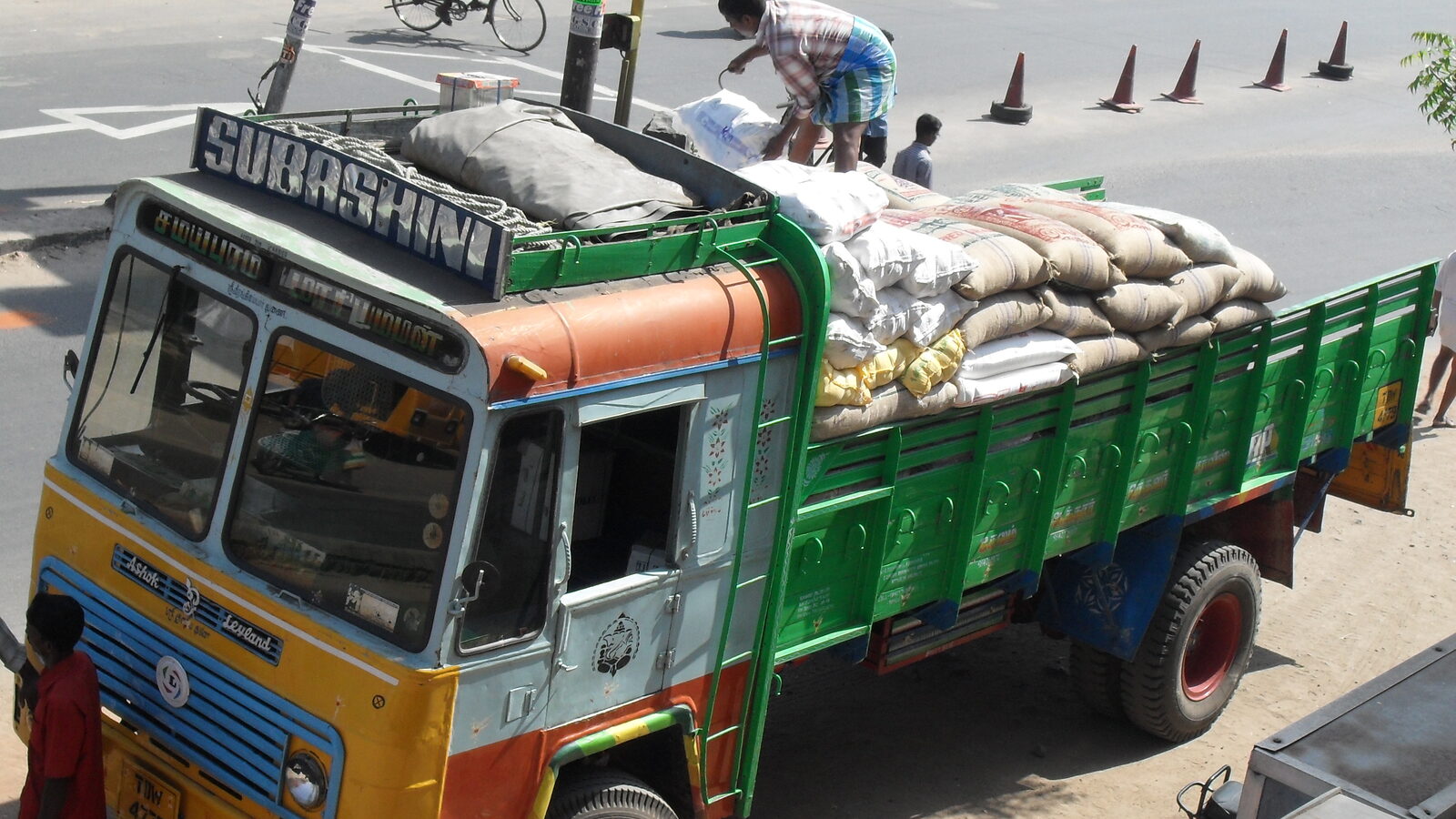
I treat tracking as a load-level service: identify the vehicle at booking, then monitor that trip.
A better pattern for hired trucks
When the vehicle changes, update the number. I don't wait for a new install. That's how brokers already think. Software should match the workflow instead of fighting it.
Lorryman’s approach
I designed Lorryman for this gap, track trucks I don’t own, without installing GPS, so third-party freight stops being a blind spot.
The consent problem nobody puts in the RFP
I've lived this on the road. A third-party truck is a small business. The owner has heard every pitch: cameras, fuel sensors, locks, GPS. Each pitch sounds like a delay, a hole in the dashboard, and a data feed that might be used against them in a freight negotiation. Even when a shipper offers to pay, the owner may refuse because the next load is for someone else. Hardware programmes that ignore consent produce a graveyard of unused kits and a spreadsheet that says “100% coverage” while the live lane is uncovered.
Installation needs a workshop window. Market trucks don't have workshop windows on the morning they're placed. They have a loading slot. If fitment loses the slot, the shipper loses the day. That economic fact kills more GPS rollouts than any technical limitation of GNSS. I design for the morning I have, not the depot I wish the market had.
Identity drift mid-trip
Breakdowns, tyre bursts, and “I’ll send another vehicle” are normal. The GPS I fitted, or thought I fitted, stays with chassis A. Cargo moves to chassis B. Dashboards that key off devices will lie with confidence. Dashboards that key off the current vehicle number can be updated when the RC changes. Third-party freight is a story of changing RCs. I track the story, not the leftover box.
Tampering and SIM lapse aren't edge cases on assets I don't control. Power is cut. Wires are pulled. Rentals expire because nobody owned the vendor relationship. Owned fleets can police that. Hired trucks can't. A visibility layer that doesn't require the SIM on their vehicle is how I stop playing electrician on someone else’s asset.
What still belongs on hardware
If I run a captive fleet, dedicated tankers, or vehicles under a device mandate, keep hardware. I train fitment. I watch health. That work is real. The error is using that success as proof that the same kit will cover tomorrow’s market placement. It won't. I split the architecture: telematics for assets I manage, trip tracking for consignments I own on assets I don't.
I tell procurement the constraint in one sentence: we can't install our way out of third-party capacity. Then fund the method that doesn't install. We built Lorryman because that sentence is true for most Indian shippers most of the time.
A test you can run this week
I list the last twenty trucks that loaded. How many would have agreed to a two-hour fitment? How many were known more than twelve hours in advance? How many were replacements? The answers are the coverage model. If fewer than half would have accepted a box, a hardware-only strategy is already failed, even if last year’s presentation said otherwise.
GPS hardware fails on third-party trucks for social and commercial reasons before it fails for technical ones. I build the social path: vehicle number, trip start, shared view. I leave the screwdriver for the fleet I actually own.
The owner’s next load isn't yours
I've lived this on the road. A third-party truck is a small business. The owner has heard every pitch: cameras, fuel sensors, locks, GPS. Each pitch sounds like a delay, a hole in the dashboard, and a data feed that might be used against him in the next freight negotiation. Even when a shipper offers to pay, he may refuse because the next load is for someone else. He won't keep the kit alive between a steel coil this afternoon and a mandi lot tonight. Hardware programmes that ignore that economics produce a graveyard of unused kits and a spreadsheet that says full coverage while the live lane is uncovered. Consent isn't a training gap. It's a commercial fact. If the RFP doesn't mention consent, it's not an RFP for Indian market trucks. It's an RFP for a captive depot that doesn't exist on this indent.
Transport nagar culture makes the refusal sharper. Owners talk. A shipper who delayed a loading slot for fitment becomes a story. A unit that became a theft magnet becomes a story. A SIM that died after the cargo unloaded becomes a story. you're not negotiating with one chassis. you're negotiating with a network of small operators who have learned that consignors’ hardware projects don't pay them for the next trip. I respect that learning. I ask for the RC I'm already putting on the e-way bill. I follow that. I leave the screwdriver for the fleet I can punish. If I need diagnostics, buy a dedicated contract and write device health into it. I don't smuggle a dedicated-fleet assumption into a same-day placement. The placement will win. The assumption will lose, and the dashboard will lie about coverage. Coverage that can't survive a nagar conversation isn't coverage. It's inventory of kits.
There's no workshop inside a loading slot
Installation needs a workshop window. Market trucks don't have workshop windows on the morning they're placed. They have a loading slot, a labour gang, and a broker who will lose the truck if I hold it. If fitment loses the slot, the shipper loses the day. That economic fact kills more GPS rollouts than any limitation of satellite physics. I design for the morning I have, not for the depot I wish the market had. Same-day replacements at the gate make it worse. The vehicle that was “going to be fitted this week” isn't the vehicle that loaded. The kit, if it exists, is on a chassis in another district. The cargo is here. Either I can start a trip from a registration in minutes, or I'm blind on the only truck that matters. Blindness at gate-in is a choice. It's the choice to wait for a workshop that won't come.
I list the last twenty trucks that loaded at the busiest plant. How many would have agreed to a two-hour fitment? How many were known more than twelve hours in advance? How many were replacements? The answers are the coverage model. If fewer than half would have accepted a box, a hardware-only strategy is already failed, even if last year’s presentation said otherwise. Do the list in one sitting. I don't average in the dedicated tankers I already own. Third-party means third-party. The test is cruel and useful. It will save I from a procurement cycle that prices kits and ignores mornings. Mornings are when Indian freight happens. Kits are what happens in a yard I control. Most of the tonnes don't live in that yard. They live in a nagar, a mandi, or a broker’s phone. I build for those places.
Chassis A stays instrumented; cargo left on chassis B
Breakdowns, tyre bursts, and “I'll send another vehicle” are normal on hired long-haul. The GPS I fitted, or thought I fitted, stays with chassis A. Cargo moves to chassis B. Dashboards that key off devices will lie with confidence. Dashboards that key off the current vehicle number can be updated when the RC changes. Third-party freight is a story of changing RCs. I track the story, not the leftover box. Identity drift mid-trip isn't an edge case. It's how owners keep commitments when a vehicle dies. If the process can't rename the trip at 2 a.m., I'll spend Monday reconstructing a load from WhatsApp. Reconstruction isn't tracking. It's archaeology. Archaeology doesn't staff a dock. It fills a claim file. I put RC change on the night desk’s one-page path, next to breakdown calls. Then hardware’s favourite lie, a green map on the wrong chassis, can't run the plant.
Tampering and SIM lapse aren't edge cases on assets I don't control. Power is cut. Wires are pulled. Rentals expire because nobody owned the vendor relationship after the cargo unloaded. Owned fleets can police that with workshops, penalties, and a manager who sees the same forty trucks every week. Hired trucks can't. you're not the employer of the electrician. A visibility layer that doesn't require the SIM on their vehicle is how I stop playing electrician on someone else’s asset. Hypothecation adds another twist: a financier’s device, if any, isn't the shipper dashboard, and an owner in a dispute isn't going to maintain the kit. I don't build coverage on a relationship I can't enforce. I build coverage on the registration that GSTN and the gate already force I to type. That registration survives the electrician, the financier, and the next load.
What still belongs on hardware, and what must not
If I run a captive fleet, dedicated tankers, or vehicles under a device mandate, keep hardware. I train fitment. I watch health. Punish tampering. That work is real and it pays in utilisation and safety. The error is using that success as proof that the same kit will cover tomorrow’s market placement. It won't. I split the architecture: telematics for assets I manage, trip tracking for consignments I own on assets I don't. I tell procurement the constraint in one sentence: we can't install our way out of third-party capacity. Then fund the method that doesn't install. We built Lorryman because that sentence is true for most Indian shippers most of the time. If a consultant folds both problems into one GPS programme, they're selling a captive-fleet fantasy. I keep the fantasy off the hired lane. The hired lane is where the customers actually feel delay.
Dangerous-goods and other mandated classes still need the owner’s compliance box. That box isn't the control tower. I don't staff unloading from a hope that the mandate streams into ERP. Staff from a trip I started at assignment. When a dedicated transporter offers a feed, take it as a bonus on that fleet. The day a spot truck appears for a line-stop RM, I still need the RC path. Dual-stack isn't indecision. It's adulthood in a market that mixes contract and spot before breakfast. Hardware fails on third-party trucks for social and commercial reasons before it fails for technical ones. I build the social path: vehicle number, trip start, shared view. I leave the screwdriver for the fleet I actually own. The rest of India will keep sending I strangers. Strangers can still be seen if I stop insisting they visit the workshop first.
Consent, politics, and the spreadsheet that lies
Coverage spreadsheets fail in a particular way. They count devices issued, not trips seen. A kit in a cupboard is a number. A market truck at the gate is a fact. If the two diverge, the spreadsheet is a political document. I make the live-lane fact the KPI: of the trucks that loaded this week, how many had a trusted view before they cleared the gate? That percentage is the third-party coverage. Device inventory isn't. Plant heads understand the percentage. They live the mornings. IT understands inventory. If those two rooms don't share a KPI, hardware will win the budget and operations will keep calling drivers. Align the KPI to gate-out, not to stores of kits. Then consent problems become visible as missed mornings, which is what they always were. A missed morning is a lost slot, overtime, and a customer who thinks I can't plan. That's the cost of ignoring consent.
I'll still hear that “once we educate owners, they will fit.” Some dedicated partners will. Most spot owners won't, because education doesn't pay the next load. I stop waiting for a cultural conversion of Indian road freight. I use the identity the culture already runs on: RC at placement, e-way bill at dispatch, a driver mobile for instructions. I follow the RC. I call the human for the exception. That's a process a nagar understands. A workshop between loads is a process a nagar will dodge. GPS hardware fails on third-party trucks because it asks the nagar to become a depot. It won't. The visibility layer shouldn't need it to. When I accept that, the “failure” of hardware stops being a scandal. It becomes a boundary. Boundaries are useful. They tell me where to stop drilling dashboards and where to start typing registrations.
A week of saying no to the screwdriver
I run one week where no third-party indent waits on fitment. Every assigned RC starts a trip. Replacements update the number. Coordinators may not delay loading for a kit. At the end of the week, count how many loads would have been held under the old hardware rule. That count is the hidden tax I have been paying to a model that doesn't fit hired capacity. I show it to procurement. Then keep the screwdriver on the captive lot, where it belongs. The week will feel uncomfortable only to people whose job was issuing kits. I give them fleet work. I don't let them recreate delays on market trucks to stay busy. Market trucks need a number and a watch, not a work order. After the week, the argument that “we have to install or we're blind” should sound like what it's: a habit from a different asset class, imported onto a morning that can't use it.